
The Beer Game – Supply Chain Simulation Educational Tool
Get “real life” experience without putting your supply chain at risk! To find out how the Beer Game Simulation can help your team improve your supply chain, talk to a benchmarking success consultant today.
Where You’ve Seen Us









How We Can Help
Why the Beer Game Simulation?
Understanding something conceptually and actually feeling the consequences of it are completely different things. That’s what the Beer Game does. It puts your people inside the problem. Developed at MIT in the 1960s, the Beer Game is one of the earliest examples of supply chain simulation — a role-play exercise that lets your team experience the real dynamics of a supply chain, including all the costly mistakes, in a matter of hours rather than months. We’ve been running our own version of it here at Benchmarking Success for years, and it’s consistently the session that gets the strongest response from participants.
Simulation Explained
The BMS Version of the Beer Game
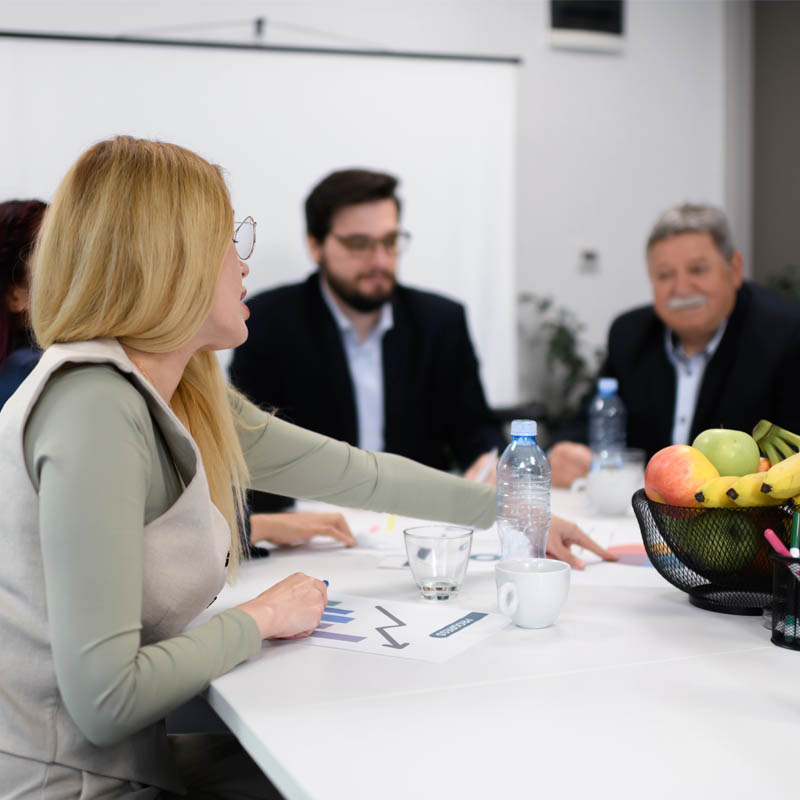
Our version of the Beer Game has been significantly enhanced from the original MIT format. We’ve adapted it specifically to highlight the dynamics around Sales and Operations Planning, which is where most of the supply chain pain points we see in practice actually originate. The simulation involves four key roles — manufacturer, wholesaler, distributor, and retailer — and can be tailored to reflect your specific business environment. We can run it with up to 50 participants, and the whole thing runs over four to six hours depending on group size and the level of discussion. We provide everything. All materials, game boards, facilitation throughout, and structured debriefs after each run.
When complete, your team will walk away with an understanding of how supply chain decisions made in isolation create costs and service failures downstream, and an appreciation of why communication between functional areas isn’t just nice to have. A concrete plan for how their behaviour will change back in the workplace. We usually run three stages:

Run one
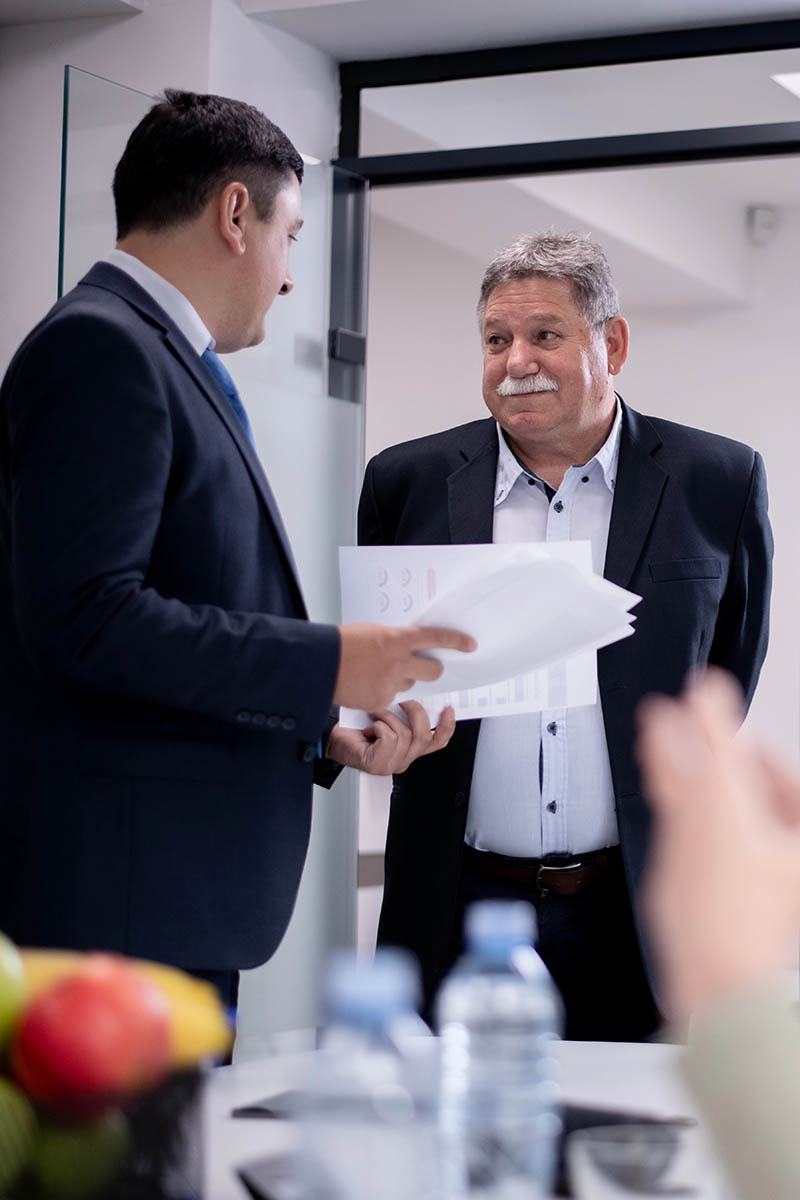
Run one follows the traditional Beer Game format. Teams play without intervention, and the results are usually instructive.

Run two
The second run is modified by plans the teams develop themselves after the first run. They submit a written plan of their revised approach before playing again. The goal stays the same (high service, low cost), but the strategies change.

Run three
The last run is where it gets genuinely useful for your business. Participants situate the game in their actual workplace and plan specifically how their behaviour will change when they return. It’s the “how does this apply to us” phase, and it’s the one that tends to generate the most useful conversation.
What Warehouse Benchmarking Typically Uncovers
Who should attend the Beer Game session?
The simulation is most valuable when you get people from different functional areas in the same room. Sales, marketing, finance, procurement, warehouse, distribution. The cross-functional dynamic is part of the point. Having only one department attend misses a lot of the value.
How many people can participate?
We can run sessions with between 5 and 50 participants, though the sweet spot is around 20. Smaller than 5 isn’t really viable, and above 50 we’d have a conversation about format.
Do we need any prior supply chain knowledge?
No. The simulation is designed to be accessible regardless of experience level. In fact, mixed groups (some experienced, some not) often produce the most interesting debrief discussions.
Can you tailor the scenario to our specific industry?
Yes. While the core structure of the simulation stays consistent, we can adapt the scenario to reflect your operating environment, product types and supply chain structure.
How long does the session run?
Four to six hours, depending on group size and how much discussion each run generates. It works well as a standalone learning event or as part of a broader one or two day workshop.
The Process
Running the Beer Game with Your Team
The Beer Game is the one session where I consistently see the moment it clicks for people, that specific point where someone realises that the decision they made three rounds ago is the reason their inventory is now completely out of control. That moment of recognition is worth more than a full day of slides.
What You'll Get
A full facilitated simulation
We run the complete three-stage Beer Game with your team. All materials provided, all facilitation included, structured debriefs after each run. You just need to get the right people in the room.
A cross-functional learning experience
The simulation works precisely because it puts people from different parts of your business in the same situation. The conversations that happen during the debrief are often the most valuable part of the day.
Real, actionable takeaways
The third run of the simulation is specifically designed to bridge the gap between the game and your actual business. Participants leave with a concrete plan for how their behaviour and decision-making will change, not just a general appreciation of supply chain dynamics.
A session that actually sticks
People remember experiences. They don’t remember slides. The Beer Game is consistently the training session our clients refer back to months later when they’re making supply chain decisions.